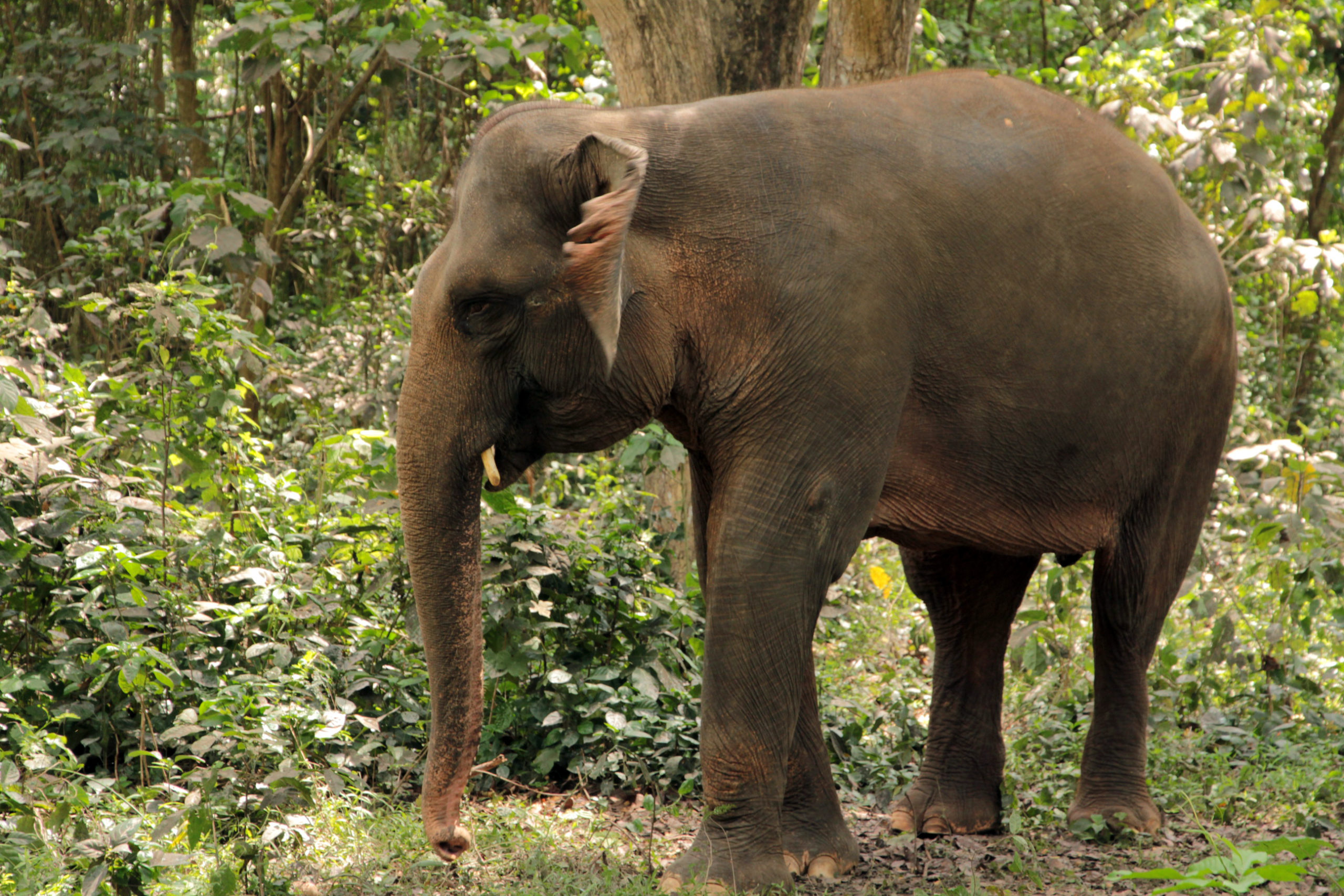
Elephant Species in Indonesia: Borneo Elephant & Sumatran Elephant
Indonesia is the home of two super rare and special types of elephants: the Sumatran
elephant and the Borneo elephant. They are both Asian elephants, but they look different
because they grew up on separate islands. Sadly, both kinds are now Critically Endangered,
meaning they are in great danger because their homes are shrinking and they run into
problems with people.
The Sumatran Elephant
The Sumatran elephant is the biggest animal on land in Indonesia, though it’s one of the
smaller Asian elephants overall. It usually stands about 2 to 3 meters tall. It has skin that is a
little lighter grey and has a shorter trunk and straighter tusks.
These elephants used to live all over the island of Sumatra, but now there are fewer than
2,000 left, living in small, separated forest areas. They live in lowland rainforests, swampy
areas, and near rivers, mostly inside protected places like national parks. The main
problems are forests being cut down for palm oil farms, fights with humans, and illegal
hunting. Groups are creating elephant patrol teams and replanting forests to help prevent
them from dying out.
The Borneo Elephant
The Borneo elephant is also called the Bornean pygmy elephant because it looks smaller
and more gentle. They stand about 2.5 meters tall and have bigger ears, longer tails, and
rounder faces, which makes them look young their whole lives!
Only about 1,500 of these elephants are thought to exist, living only in the northeastern
forests of Borneo. They need tropical rainforests, forests near rivers, and grassy areas for
food and shelter. Their biggest worries are their forests being cut up and destroyed by
logging and farms. Groups are mapping their travel paths to create safe forest corridors and
local rangers watch the herds to prevent harm.
Key Differences and Similarities
The Sumatran elephant is larger with clearer tusks, while the Borneo elephant is smaller and
calmer, known for its long tail and rounded features. However, both share the same big
problems: their homes are shrinking, they are running into people, and they desperately
need help. Their survival needs people to reconnect their forests and help local groups work
together.
Conclusion
The future of Indonesia's elephants depends on the choices we make today. These smart
animals are super important for keeping the forest healthy. Protecting the Sumatran and
Borneo elephants means protecting the balance of nature. The problem is urgent: without
stronger action, these gentle giants could disappear very soon. Every effort helps make sure
that the footsteps of these elephants continue to be heard in Indonesia’s forests for a long
time.